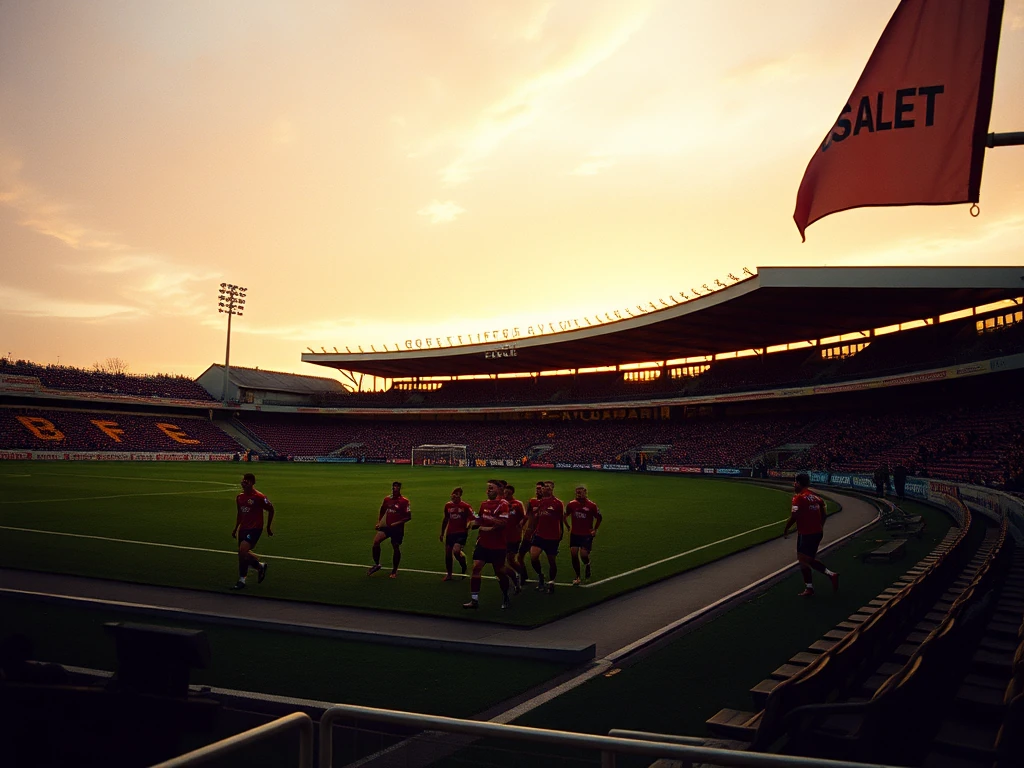

As Shelbourne continues to handle the complexities of the League of Ireland Premier, their recent form has raised questions about the tactical approach employed by the coaching staff. With a blend of promising performances and frustrating setbacks, it is clear that some tweaks could be beneficial to maximize the team's potential and secure critical points as the season progresses.
Formation and Structure
Currently, Shelbourne predominantly operates in a 4-2-3-1 formation, which has its merits but also exposes certain vulnerabilities. The dual pivot in midfield can sometimes become overrun, especially against teams that employ a high press or quickly transition into attack. One suggested adjustment could be to shift to a 4-3-3 formation, allowing for greater fluidity in midfield and providing more support for the attacking trio. This change would enable the team to maintain possession more effectively and create overloads in wider areas, particularly through the wings, where players like Alex Kavanagh and Harry Wood can exploit their pace and dribbling skills.
Midfield Dynamics
In the current setup, the midfield duo often finds themselves isolated when the ball is lost, leading to counter-attacks from opposition teams. Introducing a third midfielder not only helps in retaining possession but also allows for better link-up play between defence and attack. This additional player can act as a connector, engaging in short passes and quick combination plays to break down opposition defences. Also, using a more dynamic midfielder with a knack for arriving late into the box could add an extra goal-scoring threat, something that has been lacking in recent matches.
Defensive Solidity
Defensively, Shelbourne has shown moments of brilliance but has also been vulnerable to set-pieces and quick transitions. The back four needs to maintain a tight line and ensure that communication is most important, particularly against teams with fast forwards. Tweaking the defensive strategy to incorporate a more zonal marking system during set-pieces could help mitigate the risks posed by taller opponents, while also allowing the full-backs to push forward without compromising defensive duties. Additionally, encouraging centre-backs to step out and engage attackers earlier can prevent opponents from gaining momentum in the final third.
Attacking Creativity
In the attacking third, while the Reds have displayed flashes of creativity, the final product has often been lacking. To address this, the coaching staff might consider varying the attacking approach by encouraging the wingers to cut inside more frequently, allowing overlapping runs from the full-backs. This change could stretch defences and create space for shots from distance, as well as opportunities for late runs into the box from midfielders. Also, incorporating set-piece routines specifically designed to exploit defensive weaknesses could significantly boost the team’s goal tally.
Conclusion
As Shelbourne embarks on the critical closing stages of the season, embracing these tactical tweaks could pave the way for improved performances and results. By focusing on formation adjustments, midfield dynamics, defensive solidity, and attacking creativity, the coaching staff can help the Reds find their rhythm and contend more effectively in the League of Ireland Premier. With the right adjustments, Shelbourne can harness their potential and make a strong push towards the top of the table.