
European football federations have told UEFA the new four-game international window is a 'disaster'. The extended 16-day block, which combines September and October breaks, has drawn widespread criticism for increasing player fatigue and injury risk.
Officials from multiple federations voiced their displeasure at a closed-door UEFA meeting in Berlin on Thursday. They spoke anonymously to discuss the confidential debate, with one labeling the schedule a disaster. The concerns centre on high-profile injuries, such as Kylian Mbappé's absence, and players like Erling Haaland needing to be substituted during Norway's fourth match. Coaches from smaller nations also reported stretched resources, while fans and sponsors faced extra demands on time and money.
UEFA to submit feedback to FIFA
UEFA has stated it will gather these views to prepare a submission to FIFA regarding the calendar. The four-game early-season block is, however, locked into the FIFA-managed international match calendar for the next four years, with the schedule finalised through to 2030. In that year, European national teams will play four games between September 23 and October 8. Next year, the window will be used for qualifying matches for the 2028 European Championship.
Club and coach frustration mounts
The longer break has not been popular with club coaches either. Borussia Dortmund manager Niko Kovac, who formerly coached Croatia, highlighted the dual problem of injuries and lost momentum. "We now have the issue of not only having the occasional player coming back injured, but also the fact that you go two or 2½ weeks without any momentum," Kovac said. "We're all starting from scratch now, in a sense."
Norway coach Stale Solbakken echoed concerns after substituting Haaland in a loss to Portugal, noting the schedule is "more brutal" for players involved in the Champions League with little vacation. The four-game window followed just two months after the longest-ever World Cup, a 48-team tournament that extended into July.
FIFA has defended the longer breaks, stating they allow time for regional tournaments outside Europe, like the Arabian Gulf Cup. The global body also pays hundreds of millions of dollars to clubs worldwide for releasing players for World Cup duty. At the UEFA meeting, officials said only Azerbaijan among the 55 member federations spoke in clear defence of FIFA's calendar management.
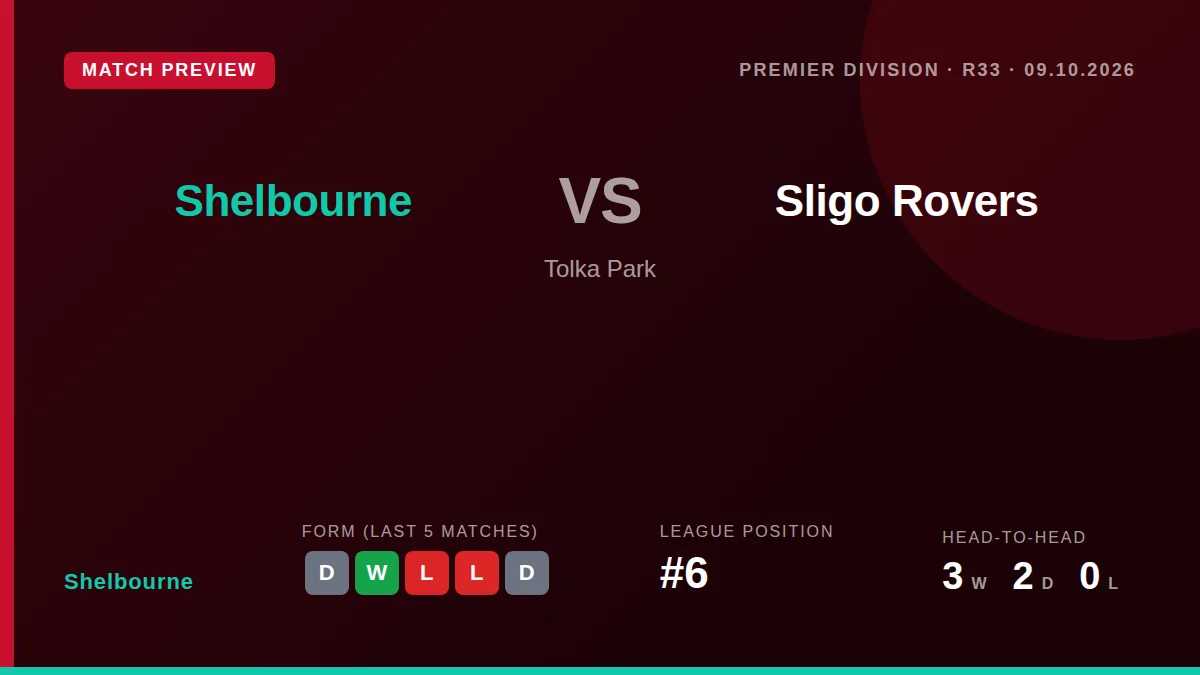
European national teams will next call up players for a two-game window starting November 9 to complete the Nations League group phase. Shelbourne's next fixture is at home to Sligo Rovers on October 9.
Background and full detail: Sportstar