
Dublin's Heartbeat: Census Night, Suffrage, and Shelbourne's Enduring Legacy
This article explores the historical significance of census night in Dublin, particularly focusing on the 1911 women's suffrage protests linked to The Shelbourne Dublin hotel. It draws parallels between the city's past and Shelbourne FC's place within its rich, evolving community.
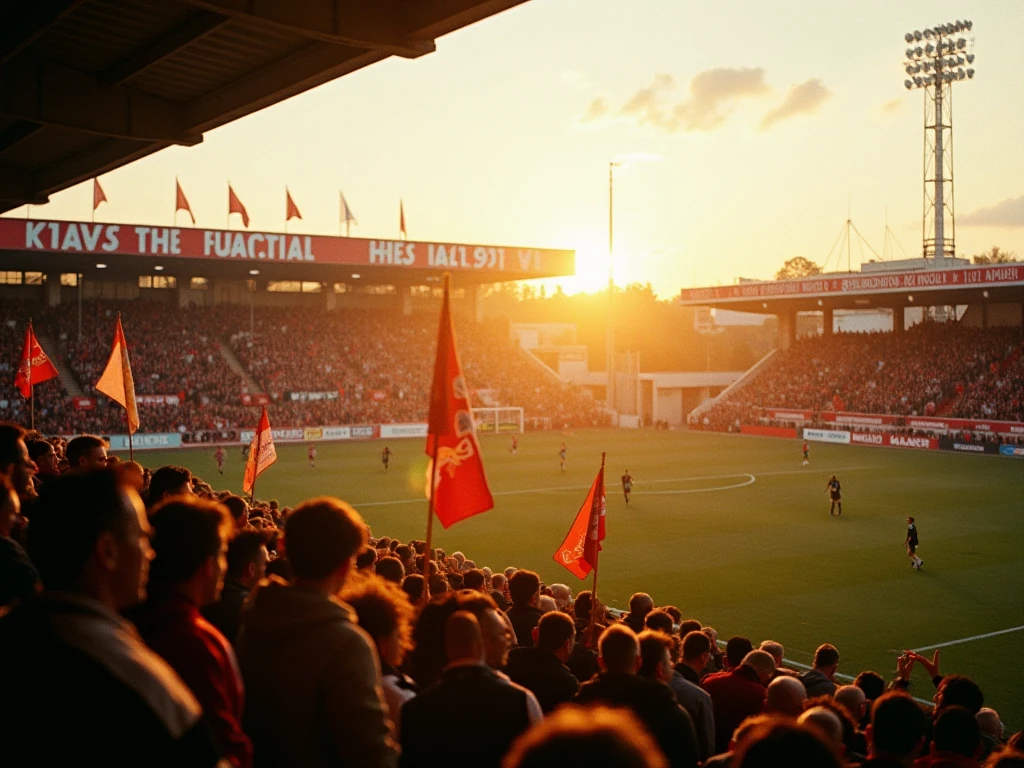
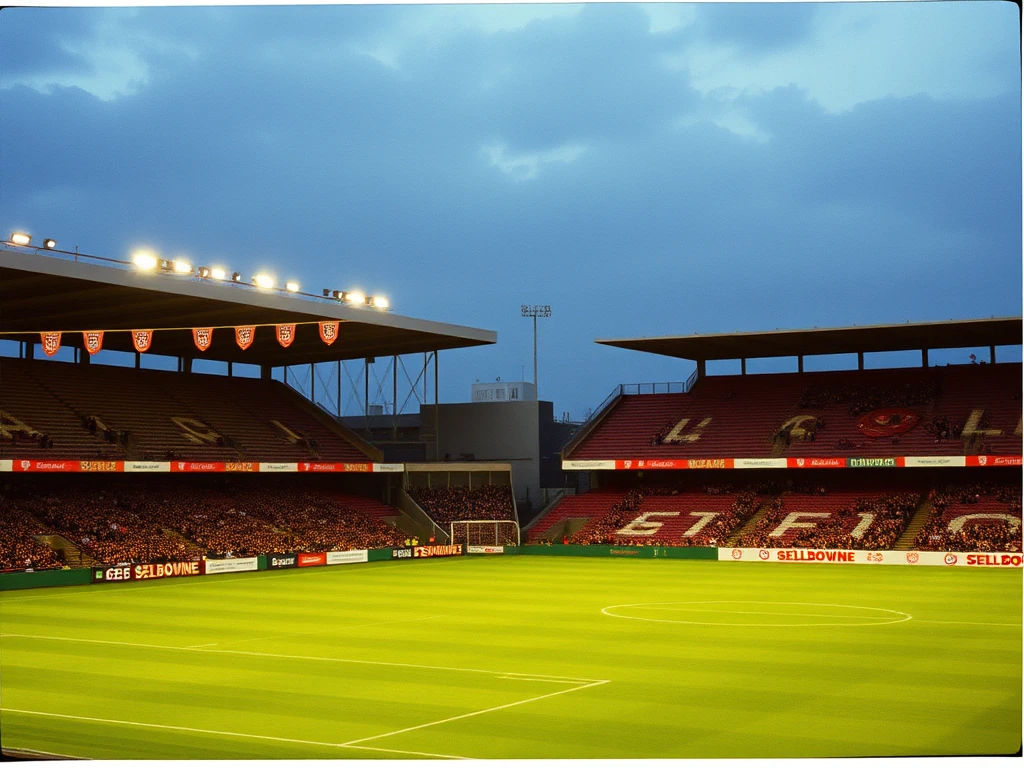
Dublin, a city steeped in history, where every street corner tells a story, and every brick whispers tales of yesteryear. As we eagerly await the next derby day at Tolka Park, it's worth reflecting on the broader tapestry of life that unfolds beyond the ninety minutes on the pitch. Recently, a fascinating glimpse into the past emerged, shining a light on census night and the iconic The Shelbourne Dublin hotel, reminding us that our beloved city, and indeed our club, exist within a rich historical context that often mirrors the passion and fight we see from our Reds.
The upcoming census, a modern snapshot of our population, echoes historical efforts to understand who calls this vibrant city home. But rewind to 1911, and the act of counting citizens held different implications, especially within the hallowed walls of landmarks like The Shelbourne Dublin. This grand dame of St. Stephen's Green, a stone's throw from the very heart of Dublin, wasn't just a place for the well-heeled to rest their heads; it became a silent witness to a pivotal moment in Irish history. Imagine the scene: census officers meticulously recording details, while outside, the city was alive with fervent debates and calls for change. It’s a powerful reminder that even the most routine administrative tasks are intertwined with the societal currents of their time, much like how a seemingly ordinary league fixture can hold extraordinary significance for a club and its loyal supporters.
The year 1911 wasn't just about counting heads; it was a battleground for voices demanding to be heard. The suffragette movement, fiercely advocating for women's right to vote, seized upon census night as a potent platform for protest. These brave women, refusing to be counted unless they were also counted as citizens with full rights, demonstrated remarkable courage and conviction. Their actions, often met with resistance and ridicule, challenged the very fabric of society, pushing for equality and representation. It’s a spirit that resonates with the underdog fight, the determination to overcome adversity, much like our own Reds battling against the odds to secure a crucial three points. The streets of Dublin, from Grafton Street to the very gates of The Shelbourne Dublin, pulsed with this revolutionary energy, a testament to the enduring power of protest and the unwavering belief in a fairer society.
As we look forward to future triumphs and challenges on the pitch, remembering these historical moments grounds us. They remind us that Shelbourne FC isn't just a club; it's a thread in the rich tapestry of Dublin life, woven through generations of struggle, progress, and unwavering community spirit. Just as the city's past shapes its present, every match, every cheer, every victory, and every setback adds to the enduring legacy of the Reds. Here's to understanding our history, appreciating our present, and building a future where every voice counts, both in the stands and beyond.